
When visitors first discover Gaelic Games, one question comes up again and again: why is women’s hurling called camogie? The two sports look very similar and share the same roots, yet the names are different. The answer lies in Irish language, cultural revival, and the long history of women in Gaelic sport.
Where the Name “Camogie” Comes From
The word camogie comes from the Irish word “camóg,” meaning little curved stick. This refers to the wooden stick used in hurling, called a camán in Irish. “Camóg” is simply a variation of that word, and when the women’s version of the sport was formally organised, this term was adopted and later anglicised to “camogie.”
Rather than being labeled as just women’s hurling, the sport was given its own Irish-language identity, something that reflected the strong cultural pride of the time.
Women and Stick-and-Ball Games in Ireland
Women have likely played informal stick-and-ball games in Ireland for centuries, just as men did. However, organised sport structures like leagues and governing bodies developed later for women, as happened in many countries.
In the late 1800s and early 1900s, Ireland experienced a major cultural revival focused on restoring Irish language, arts, and native traditions. Gaelic Games were a central part of this movement, and women wanted to take part as players not just spectators.
The Founding of Camogie in 1904
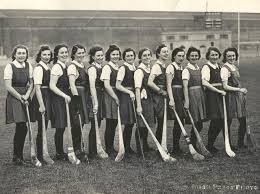
Camogie was officially founded in 1904, during the same period of rapid growth for Gaelic Games. A group of women and cultural leaders created a formal rulebook and competition structure for the sport.
One key early figure was Máire Ní Chinnéide, an educator and Irish language advocate who helped promote and organise camogie in its early years. From the start, the sport was closely tied to Irish identity and cultural renewal.
The goal was simple: create a structured, competitive version of hurling for women and ensure they had a place in Ireland’s national sporting life.
Why Camogie and Hurling Developed Separately
Travelers often wonder why the women’s and men’s versions didn’t just keep the same name. Historically, there were a few reasons.
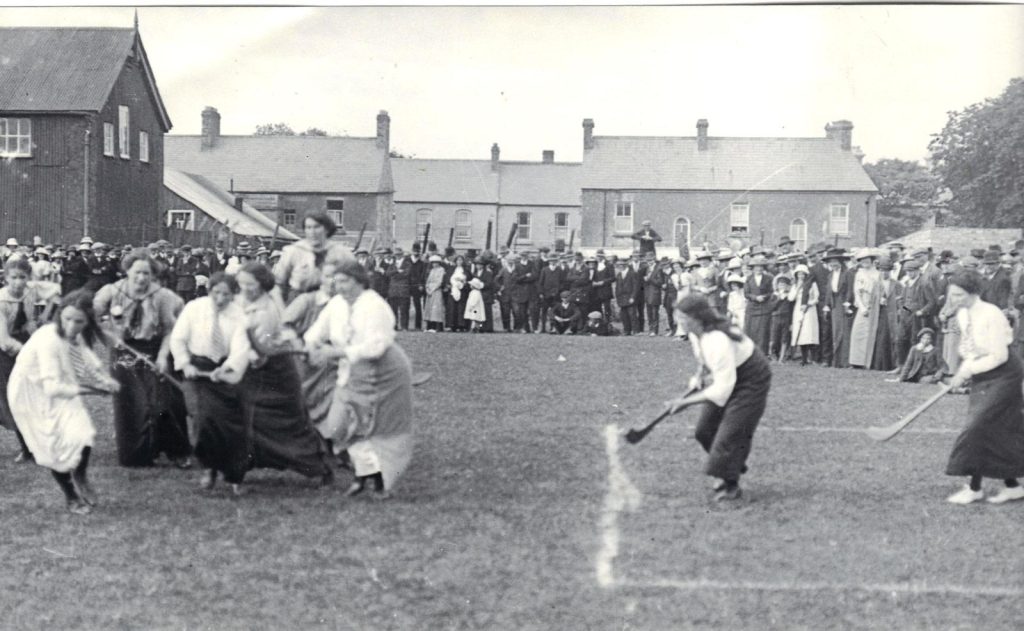
Early 20th-century social norms often led to separate rules and organisations for women’s sports. Camogie initially had some rule differences from hurling including match length and certain playing conditions and it developed under its own administration rather than directly under the GAA.
Even though the sports grew closer in rules and style over time, the separate name and identity remained.
Growth and Competition Through the 20th Century
Camogie competitions began soon after the sport was founded, though political unrest in Ireland during the 1910s and 1920s slowed progress. Still, the game survived and expanded.
Major milestones included:
- Early inter-county matches in the 1910s
- The first All-Ireland Camogie Final in 1932
- Steady growth across Ireland
- International matches within Irish communities abroad
Like many women’s sports, camogie faced challenges around funding and visibility, but participation continued to grow through community support and volunteer commitment.
Modern Camogie Today
Today, camogie is a fast, highly skilled field sport played across Ireland and internationally. At inter-county level, it closely resembles hurling, showcasing speed, precision, and exceptional hand-eye coordination.
The modern game includes:
- Strong national championships
- Youth and school development systems
- Expanding international clubs
- Increased media coverage
- Major finals played in leading stadiums
Recognition and support for camogie athletes has increased significantly in recent years, and the sport continues to grow.

A Living Part of Irish Culture
Camogie is more than just a variation of hurling it is a sport with its own 120-year history, identity, and community roots. It is a passionate sport established by brave and very strong Irish women.
For visitors exploring Gaelic Games in Ireland, understanding camogie adds depth to the experience. It highlights how Irish sporting culture has evolved and how women have long been part of that story.
It’s not simply women’s hurling.
It’s camogie and it stands on its own.