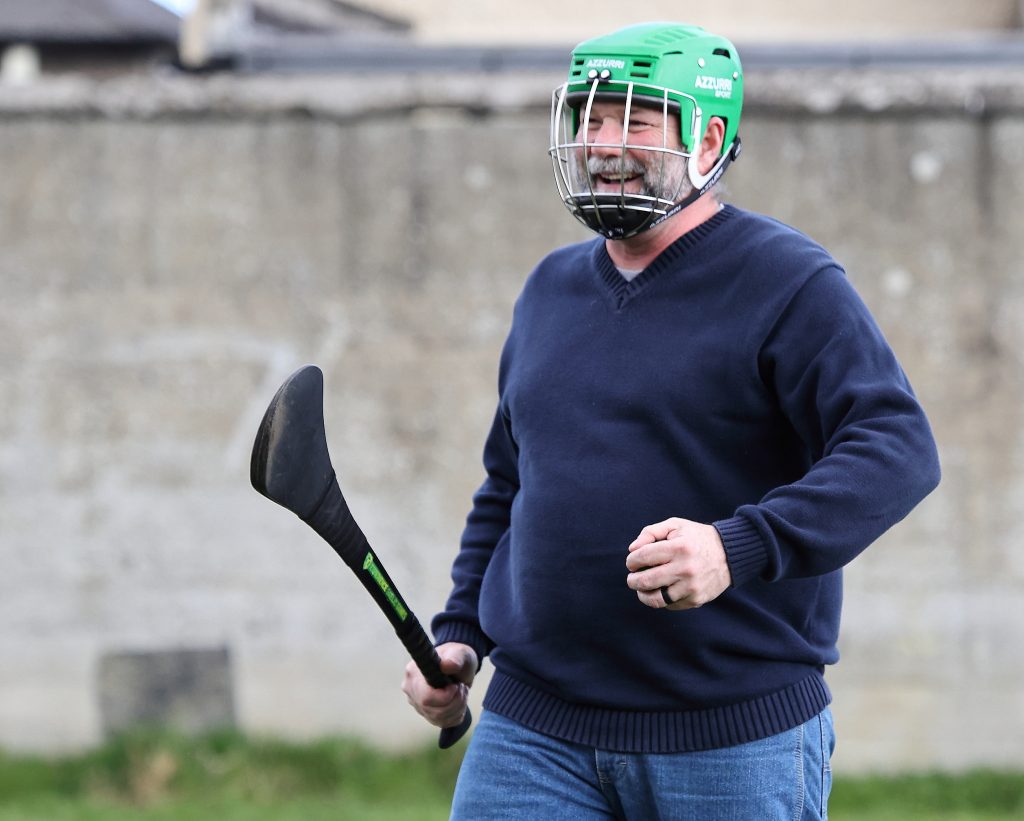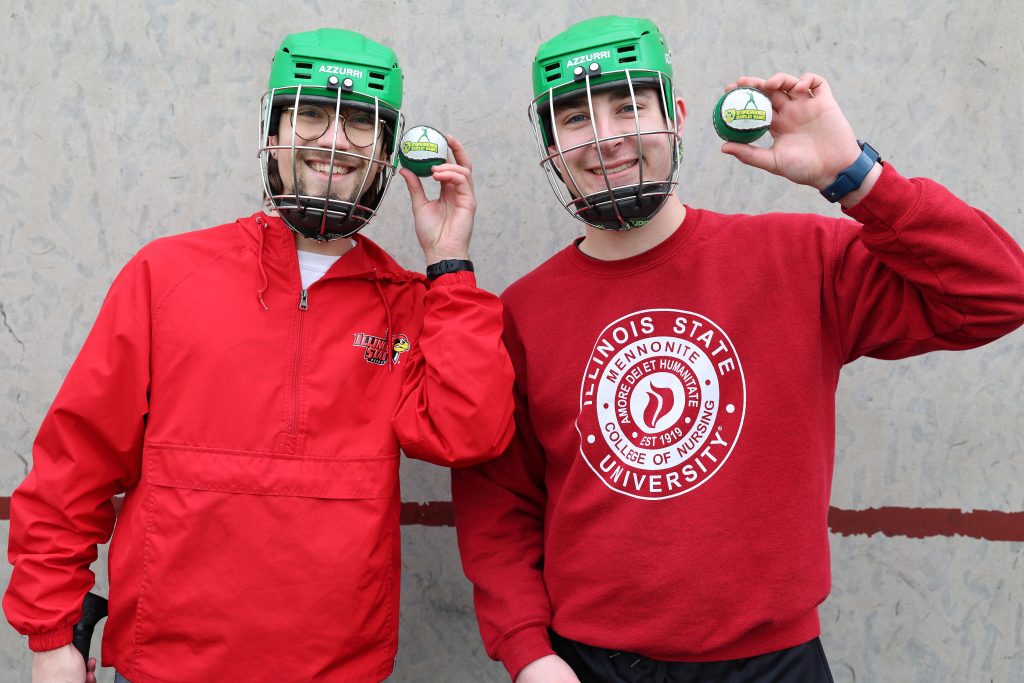
For many visitors to Ireland, Gaelic games might first appear as fast-paced, physical, and exciting sports. They are sports that people may have seen short clips of on social media, portraying them as sports played in large stadiums in front of huge crowds. But really the games mean a lot more than what to us here on the Island of Ireland. They are our way of life.
A Game Rooted in Community
At the heart of every Gaelic football or hurling match is the local GAA club. These clubs are found in almost every town, village, and parish across Ireland, and run entirely by volunteers. Players don’t play for money or transfer between clubs, they represent the place they grew up, they play for passion and the honor of representing your tribe.
This strong local connection means that Gaelic games bring generations together. Parents coach teams, neighbours line the sidelines, and entire communities rally behind their club on match day. When you take part in an Experience Gaelic Games session, you’re getting a glimpse into this community-driven spirit that defines Irish sport.
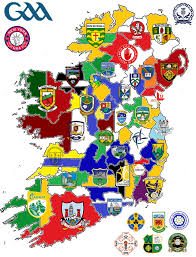
A Living Part of Irish Culture
Gaelic games are one of Ireland’s most important cultural traditions, with roots stretching back over thousands of years. Hurling, in particular, the oldest field sports in the world, mentioned in ancient Irish mythology and folklore.
Today, these games continue to thrive not because they’ve been modernised beyond recognition, but because they’ve stayed true to their cultural foundations. The GAA (Gaelic Athletic Association) was founded in 1884 to preserve Irish sports, culture, and identity and that mission is still felt today.
As the games were under such a large threat for many years while we were under British rule here on the Island, it is incredible that they are still alive and that we now have the honor of playing them openly and proudly. We do so with passion, pride and a sense of identity.
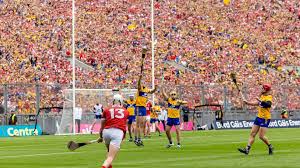
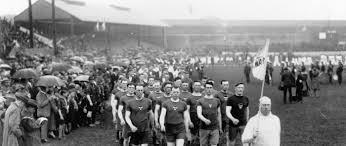
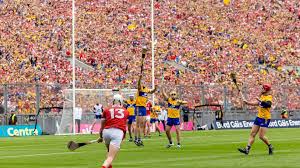
Unlike many professional sports, Gaelic games are amateur, even at the highest level. Players train intensely, play in front of huge crowds, and represent their counties in national stadiums all while balancing careers, studies, and family life.
This amateur ethos reinforces the idea that Gaelic games are about participation, respect, and shared experience rather than trophies alone. It’s one of the reasons the games feel so inclusive and authentic.
Experiencing It for Yourself
Watching Gaelic games is exciting, but playing them tells a much deeper story. At Experience Gaelic Games, participants don’t just learn how to solo a ball or strike a sliotar, they experience the values that have shaped Irish communities for generations.
Whether you’re visiting Ireland for a few days or looking for a unique cultural activity, Gaelic games offer something truly special: a chance to understand Ireland not just through history books or landmarks, but through movement, teamwork, and shared enjoyment.
Because in Ireland, Gaelic games aren’t just sports, they’re a way of life.