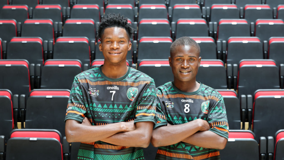
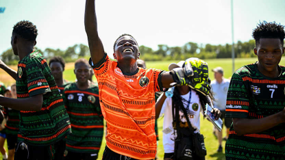
While the rest of the world remains fixated on the FIFA World Cup, our Island recently hosted our own version of the competition. 2000 players across 113 teams from nations around the world met in Waterford to enjoy our games in the GAA’s fifth installation of this event. One of the most interesting storylines from the competition was the participation of Zambia’s Sables Shamrocks, who, even though they had only started playing Gaelic Football 6 months ago, went on to win all eight of their games by tremendous margins. They brought an incredible amount of energy and passion for the sport, which won them the hearts of many spectators in attendance and around the island.
It is the success of Sables Shamrocks that has made us reflect on the international impact our games have come to inherit. Today, Gaelic games are played on every inhabited continent, connecting Irish communities abroad while introducing thousands of people from different cultures to Ireland’s unique sporting heritage. This global success is only made possible by the international GAA boards that oversee Gaelic games in their regions.
One of the fastest-growing regions is the Asian GAA. Gaelic games first arrived in Asia in 1996, when just four clubs took part in the inaugural Asian Gaelic Games in Manila. As participation expanded across the continent, the Asian County Board was established in 2006 to coordinate competitions and support new clubs. Today, Asia is home to 28 clubs stretching from Hong Kong and Singapore to Seoul, Shanghai, Bangkok, and Kuala Lumpur. Alongside adult Football, Hurling, Camogie, and Ladies’ Football, the Asian GAA has become a leader in youth development through its Asian Youth Championships.
Across the Pacific, the United States GAA (USGAA) has one of the longest histories outside Ireland. Gaelic Football and Hurling have been played in North America since Irish immigrants first arrived in the eighteenth and nineteenth centuries. The modern governing body was founded in 1958 and today oversees more than 140 adult and youth clubs across approximately 50 American cities, as well as the New York GAA team, which represents America in the Connacht region for a chance at the All-Ireland championships. Divisional championships culminate each year in the USGAA Finals, while youth participation continues to grow through the Continental Youth Championships, helping introduce a new generation of American-born players to Gaelic games. Additionally, the USGAA helps to maintain Gaelic Park, which is the largest Gaelic stadium outside of Ireland.
Further north, the Canadian GAA (CGAA) continues a proud tradition that also traces its roots to Irish immigration. Canadian clubs were originally administered alongside American clubs before establishing their own county board in 1987. Today, the CGAA oversees clubs across Canada, supporting Gaelic Football, Hurling, Camogie, and Ladies’ Football while continuing to expand participation in communities from coast to coast. Through national championships and grassroots development, the organisation ensures Gaelic games continue to flourish in Canada.
Founded in 1927, the Great Britain County Board (GGCB) represents one of the oldest and strongest GAA communities outside Ireland. Thanks to generations of Irish migration, clubs have been established throughout England, Scotland, and Wales. The board organizes domestic competitions for one of the largest club collections outside of Ireland while maintaining strong links with the GAA, providing opportunities for players of all ages and backgrounds to remain connected to Irish culture through sport. Every year, the London GAA team competes in the Connacht championships for a chance to represent the UK in the All-Ireland.
Meanwhile, Australasia GAA oversees Gaelic games across Australia and New Zealand. Founded in 1974, the organisation now includes 60 clubs across eight state associations. Originally sustained by Irish emigrants looking to preserve the games of home, Australasia GAA has evolved into a multicultural sporting community where players from many nationalities compete in Gaelic Football, Hurling, Camogie, and Ladies’ Football. Youth development has become a major focus, highlighted by the introduction of Australia’s first Féile tournament in 2023.
Whether played beneath the skyscrapers of New York, on the beaches of Sydney, in the parks of Kabwe, or on pitches across the globe, Gaelic Games continue to unite communities through sport. Every overseas club shares the same values found in Ireland: community, volunteerism, inclusion, and local pride. While the games were born in Ireland, the GAA truly represents a global family.